Bio-Interactive Gaming: Heart-Rate Based Betting in 2026
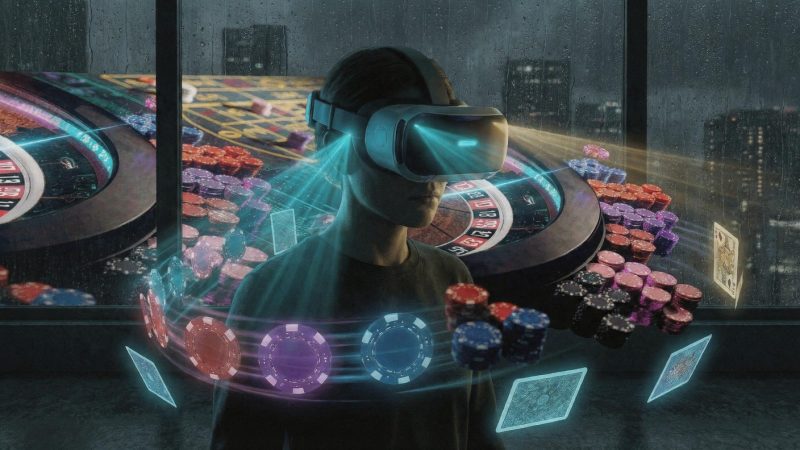
As we navigate the sophisticated digital landscape of 2026, the boundaries between the human physiological state and the gaming environment have effectively dissolved. In my years leading innovation for global platforms, I have seen many trends come and go, but the integration of biometrics is the most profound shift yet. We are no longer looking at players as mere data points on a screen; we are interacting with their biological reality. This new era of gambling tech utilizes the sensors already strapped to your wrist or finger to create a hyper-personalized, reactive experience that was once the stuff of science fiction. By syncing heart-rate data with our gaming engines, we have moved beyond the “spin and win” model into a world of bio-feedback loops where the game literally feels what you feel.
The Biometric Revolution: From Passive to Reactive
In the early 2020s, wearables were used primarily for fitness tracking or receiving notifications. By 2026, these devices have become the primary gateway for digital identity and interaction. My team and I realized that the excitement of a high-stakes moment isn’t just a mental state; it is a physical event marked by increased cortisol and a surging pulse. By tapping into the APIs of smartwatches and biometric rings, we can now map the emotional journey of a player in real-time.
This is not about monitoring for the sake of surveillance. It is about immersion. Imagine a poker game where your digital avatar subtly perspires or its hands tremble when your heart rate exceeds 110 beats per minute (BPM). Or a slot game where the atmospheric music and visual effects shift from calm to intense as your pulse climbs during a bonus round. We are using the heart as a second controller, one that you cannot “cheat” because it is governed by your autonomic nervous system.
How We Sync the Human Heart to the Digital Dealer
The technical architecture behind this is incredibly lean. In 2026, we utilize ultra-low-latency WebSockets to stream encrypted biometric data from the wearable device to our cloud-based engine. This data is then processed by an AI layer that categorizes the player’s state into “Focus,” “Excitement,” or “Stress.” The game engine receives this classification and adjusts the environment accordingly. This synchronization happens in less than 30 milliseconds, ensuring that the visual feedback matches the physical sensation of the player.
The Mechanics of Heart-Rate Based Wagering
We have introduced several proprietary mechanics that utilize the pulse as a core gameplay element. One of the most successful is the “Calm Multiplier.” In this mode, the game rewards players for maintaining a low heart rate during high-pressure situations.
Adaptive Odds and Emotional Multipliers
In certain experimental titles, we have introduced odds that shift based on the player’s physiological stability. If you are playing a blackjack variant and your heart rate remains steady despite a large bet, the “Brave Bonus” might trigger, offering a slight boost to your potential payout or unlocking a special side-bet. Conversely, we have “Thrill Seekers” modes where the volatility of the game increases in sync with your heart rate. The faster your heart beats, the more dramatic the animations and the higher the potential jackpot.
To give you a better idea of how this looks in practice, I have outlined the core differences between traditional interaction and our 2026 biometric-enhanced model below.
| Feature | Traditional Gaming (Pre-2024) | Bio-Interactive Gaming (2026) |
| Interaction Input | Mouse clicks and screen taps | Taps + Heart-Rate + Skin Conductance |
| Game Atmosphere | Static or preset music/lighting | Reactive audio-visuals based on BPM |
| Responsible Gaming | Manual limits and self-exclusion | Auto-pause triggered by stress spikes |
| Player Feedback | Visual only | Haptic pulse-matching on wearable |
| Bonus Mechanics | Randomly triggered | Triggered by physiological “Flow” states |
Responsible Gaming 2.0: The Heart as a Safety Valve
Perhaps the most important aspect of my work with wearable tech is the advancement of player protection. For decades, the industry struggled to identify “tilt” or emotional distress before it resulted in a poor experience. With heart-rate monitoring, we can see the signs of distress long before a player realizes they are losing control.
Predictive Stress Analysis and Auto-Pause Features
In 2026, our platforms are equipped with a “Biometric Safety Net.” If the AI detects a specific signature of “Panic” – characterized by a rapid, irregular spike in heart rate combined with aggressive betting patterns – the system can intervene. Instead of just a pop-up message, the game might transition to a “Cool Down” phase. The colors of the UI shift to soft blues and greens, the music slows down to a rhythmic 60 BPM (matching a resting heart), and the game may temporarily disable high-speed spinning to encourage the player to catch their breath. This proactive approach has significantly reduced instances of regret-based play and has been praised by regulatory bodies worldwide.
Data Security and Bio-Privacy in 2026
I am often asked about the privacy implications of sharing such intimate data. As a representative of a forward-thinking platform, I take a “privacy-first” stance. In 2026, we do not store your raw heart-rate data on our servers.
Decentralized Biometric Storage
We utilize “Edge Processing” where the biometric analysis happens on your own device. Your smartwatch calculates your stress level and only sends a “Confidence Score” or a “State Flag” to our servers. We never see your actual medical data. Furthermore, all biometric interaction is strictly opt-in. Players who choose to share their pulse data receive specialized rewards and access to bio-reactive rooms, but it is never a requirement for entry. We use blockchain-based encryption to ensure that even if a data breach occurred, the biometric signatures would be entirely useless to third parties.
The Future of “Flow State” in Digital Wagering
In my expert opinion, the ultimate goal of this technology is to help players achieve a “Flow State” – that perfect balance between challenge and skill where time seems to disappear. When the game adapts to your heart rate, it becomes an extension of your body. We are currently testing “Haptic Heartbeat Syncing,” where the game’s sound design is tuned to your specific heart rate, creating a resonant frequency that enhances focus and enjoyment.
The feedback from our 2026 pilot programs has been astounding. Players report feeling more “connected” to the games. They feel that the platform “understands” them. By moving the input from the fingertips to the heart, we have humanized the digital experience in a way that was previously unimaginable.
Frequently Asked Questions
Is my heart-rate data shared with insurance companies or third parties?
Absolutely not. In 2026, strict data sovereignty laws prevent the sharing of biometric data across different industries. Our platform uses this data exclusively for real-time game adjustment and responsible gaming alerts. We use zero-knowledge proofs to verify your state without ever storing or sharing the raw biological data.
Can I “cheat” the system by drinking caffeine to raise my heart rate?
While you could try to manipulate your heart rate, our AI is trained to recognize the difference between “organic excitement” and “substance-induced tachycardia.” The patterns are quite different. Furthermore, since many mechanics reward a lower heart rate (the Calm Multiplier), raising your pulse artificially would likely be a disadvantage.
What happens if my wearable loses connection during a game?
Our 2026 architecture is designed for “Graceful Degradation.” If the biometric stream is interrupted, the game simply reverts to its standard, non-reactive mode. You will not lose your bet or your progress. The bio-features will simply pause until the connection is restored.
Are all wearables compatible with these betting platforms?
Most major brands in 2026, including Apple, Samsung, and specialized rings like Oura or Whoop, have standardized their “Gaming Bio-APIs.” If your device can track a continuous heart rate, it is almost certainly compatible with our platform.
Does the system monitor for heart conditions or health issues?
While our system is not a medical device, it is programmed to recognize extreme anomalies. If a player’s heart rate reaches a dangerously high level that does not match the gaming context, the system will not only pause the game but can also send an automated alert to the player’s emergency contact or provide a prompt to seek medical attention.
How does heart-rate betting improve the “Fair Play” experience?
Biometrics provide an extra layer of bot protection. It is very difficult for a script or an automated bot to simulate the complex, fluctuating biometric signature of a living human. This ensures that the high-stakes rooms remain populated by real people, maintaining the integrity of the ecosystem.
Is there an extra cost or fee to use biometric features?
No. In fact, many of our 2026 “Bio-Rooms” offer enhanced loyalty points because the data helps us provide a safer and more tailored environment. We view biometric integration as a premium feature that we offer for free to enhance player retention and safety.
Can I see my own “Stress Map” after a session?
Yes. Our platform provides a “Post-Game Bio-Summary” where you can see how your heart rate fluctuated during big wins or losses. This helps players understand their own emotional triggers and promotes a more mindful and responsible approach to gaming.
What is a “Calm Multiplier” exactly?
It is a game mechanic where the house edge is slightly reduced, or bonus rewards are increased, if the player maintains a steady, relaxed heart rate during a betting round. It encourages emotional control and rewards “nerves of steel.”
Does this technology work for live dealer games?
Yes, it is particularly effective there. In 2026, live dealers can sometimes see a “Collective Excitement Meter” for the table (anonymized, of course), allowing them to adjust their interaction and commentary to match the energy of the group.
Conclusion
The integration of heart-rate based betting marks the definitive end of the “cold” digital interface. In 2026, our platforms have become empathetic ecosystems that respond to the pulse of the player. By utilizing wearable tech, we have solved the two greatest challenges of online gaming: the need for deep, immersive entertainment and the requirement for robust, proactive player protection. This technology allows us to reward composure, identify distress, and create a narrative arc in every game that is perfectly synced with the player’s own heart. We are no longer just building games; we are building experiences that resonate with the very core of human physiology.
As we look toward the next five years, I expect biometric integration to become even more granular, potentially incorporating skin temperature and even brain-wave activity via neural-link wearables. However, the heart will always be the primary indicator of the human experience. My commitment is to ensure that as we move deeper into this bio-digital future, we maintain the highest standards of privacy and ethics. We are using the pulse of 2026 to ensure that the thrill of the game remains a healthy, exciting, and safe pursuit for every person who chooses to step into our world. The future of gaming isn’t just in the code; it is in your heart.